

Table of Content
- What Is Web Application Scanning?
- 4 Reasons You Need Web Application Security Scanning
- Web Application Scanning vs. Web Vulnerability Scanning
- Types of Web Application Scanning Tools
- How to Choose Web Application Scanning Tools
- Security Testing with Bright Security
What Is Web Application Scanning?
Web application scanning involves systematically testing a web application for potential security vulnerabilities. The goal of web application scanning is to identify security weaknesses before they can be exploited by attackers.
This is typically accomplished by using automated tools to scan the application for known vulnerabilities, such as SQL injection or cross-site scripting (XSS). Some tools can also attempt to identify vulnerabilities that are not well-known or documented.
Web application scanning is an important part of an organization’s overall security posture, as it can help identify and prioritize vulnerabilities that need to be addressed to reduce the risk of a successful attack.
This is part of a series of articles about security testing
In this article:
- The Importance of Web Application Security Scanning
- Web Vulnerability Scanning vs. Web Application Scanning
- How to Choose Web Application Scanning Tools
4 Reasons You Need Web Application Security Scanning
Web application scanning has several advantages, including:
- Detecting and fixing security vulnerabilities early: By scanning a web application for vulnerabilities, organizations can identify and address security issues before they can be exploited by attackers. This can help prevent data breaches and other security incidents.
- Producing detailed website health reports: Web application scanning can provide detailed reports on the health and security of a website. This information can help organizations better understand their website’s vulnerabilities and take steps to address them.
- Ensuring compliance: Many industries have regulatory requirements for website security. Scanning can help organizations ensure that their website meets these compliance standards.
- Maintaining uptime: Security vulnerabilities can lead to website downtime, which can result in lost revenue and damage to an organization’s reputation. By identifying and addressing vulnerabilities early, web application scanning can help maintain website uptime and availability.
Learn more in our detailed guide to web application security
Web Application Scanning vs. Web Vulnerability Scanning
Web vulnerability scanning and web application vulnerability are two related approaches to web application security testing.
Web application scanning involves evaluating web applications for security vulnerabilities and threats, but with a focus on the application layer. It involves using automated tools to scan web applications for potential security flaws, such as input validation errors, authentication and authorization issues, session management vulnerabilities, and other application-level vulnerabilities – including web vulnerability scanning, as defined below.
Web vulnerability scanning refers to the process of automatically scanning a website or web application to detect known security vulnerabilities such as SQL injection, cross-site scripting, and other vulnerabilities that could be exploited by attackers. This process usually involves crawling the website or application, submitting various inputs and requests, and analyzing the responses to detect potential vulnerabilities.
Learn more in our detailed guide to microservices security.
Types of Web Application Scanning Tools
There are three main types of web application scanning tools:
- Static Application Security Testing (SAST) tools check the source code of web applications to identify potential security vulnerabilities. This type of tool can detect issues such as cross-site scripting (XSS), SQL injection, and buffer overflows.
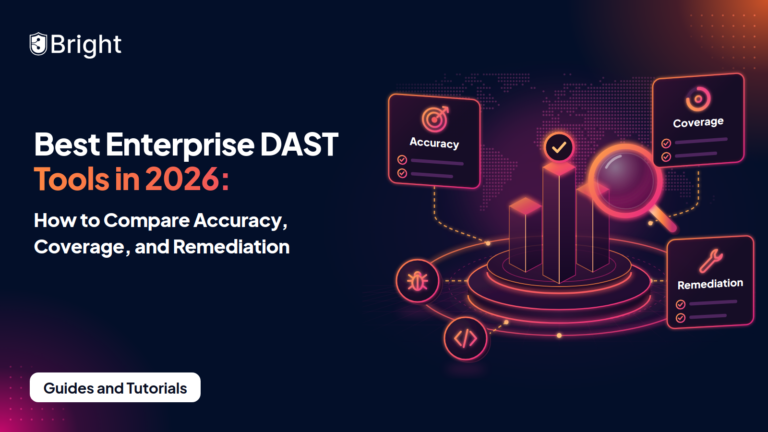
- Dynamic Application Security Testing (DAST) tools test web applications while they are running to identify vulnerabilities that cannot be detected through static analysis. These tools simulate real-world attacks to identify weaknesses in the application’s security posture.
- Software Composition Analysis (SCA) tools focus on identifying vulnerabilities in third-party components that are used in web applications. SCA tools examine the software dependencies of web applications to identify known vulnerabilities in the third-party components.
How to Choose Web Application Scanning Tools
Choosing the right web application scanning tool is an important decision for organizations looking to improve their website security. While web application scanning can be an effective way to identify vulnerabilities in a website, traditional scanners have some limitations. These limitations include:
- Incomplete coverage: Traditional scanners may not detect all vulnerabilities, especially those that are more complex or require manual testing. It is important to choose a tool that provides adequate coverage for the organization’s website and the types of vulnerabilities that are most relevant to their business.
- Time-consuming scans: They can take a long time to complete, which can be a significant burden on resources and may cause delays in addressing vulnerabilities.
- False positives: They may generate many false positives, which can be time-consuming to review and can lead to frustration and wasted resources. The accuracy of a scanning tool is another important factor to consider. False positives can waste time and resources, so it is important to choose a tool that minimizes false positives and provides accurate results.
To choose the right web application scanner and make the most of it, there are some recommended practices that organizations should follow:
- Choose a tool with integrations: Integration with other security and vulnerability management tools is also important. A tool that integrates well with other tools can help streamline the vulnerability management process and provide more comprehensive coverage.
- Calculate costs in advance: Cost is also an important consideration when choosing a web app scanning tool. Some tools may be expensive, while others may be more affordable. It is important to choose a tool that provides good value for the organization’s budget.
- Implement continuous discovery: Web application scanning should be an ongoing process, not a one-time event. Implementing continuous discovery can help ensure that new vulnerabilities are identified as soon as they are introduced.
- Implement continuous testing: Similarly, testing should be an ongoing process. Regular testing can help ensure that vulnerabilities are being addressed and that the website remains secure over time.
- Expand the scope of vulnerability scans: Traditional scanners may not detect all vulnerabilities, so it is important to increase the scope of vulnerability scans by incorporating manual testing and other tools.
- Integrate security and vulnerability management into the CI/CD pipeline: Organizations can ensure that security is built into the development process from the beginning. This can help prevent vulnerabilities from being introduced in the first place and can help ensure that vulnerabilities are addressed quickly and efficiently.
Learn more in our detailed guide to security testing tools
Security Testing with Bright Security
Bright Security helps address the shortage of security personnel, enabling AppSec teams to provide governance for security testing, and enabling every developer to run their own security tests.
Bright empowers developers to incorporate an automated Dynamic Application Security Testing (DAST) solution into their unit testing process so they can resolve security concerns as part of their agile development process. Bright’s DAST platform integrates into the SDLC fully and seamlessly:
- Test results are provided to the CISO and the security team, providing complete visibility into vulnerabilities found and remediated
- Tickets are automatically opened for developers in their bug tracking system so they can be fixed quickly
Bright Security can scan any target, whether Web Apps, APIs (REST/SOAP/GraphQL) to help enhance DevSecOps and achieve regulatory compliance with our real-time, false positive free actionable reports of vulnerabilities. In addition, our ML-based DAST solution provides an Automated solution to identify Business Logic Vulnerabilities.