
How modern enterprises use centralized security intelligence to improve runtime visibility, AppSec scalability, and cross-functional cybersecurity operations
Table Of Contents
- Introduction
- Why Modern Security Data Is Fragmented
- What Is A Security Data Lake?
- Why Traditional Security Visibility No Longer Works
- AI-Generated Development Increased Security Complexity
- The Operational Benefits Of Centralized Security Intelligence
- Connecting AppSec, DevOps, And Runtime Security Data
- Why APIs Changed Security Data Architecture
- Security Data Lakes And AI-Driven Threat Detection
- Improving Cross-Departmental Visibility
- Runtime Intelligence Vs Static Reporting
- Reducing Security Blind Spots Through Data Correlation
- How BrightSec Strengthens Runtime Security Intelligence
- Building A Scalable AI-Native Security Architecture
- The Future Of Centralized Cybersecurity Intelligence
- Final Thoughts
Introduction
Modern cybersecurity environments have much data that is not connected. Every API request, workflow, cloud workload, CI/CD pipeline, AppSec scan, and authentication event creates security data all the time across a company’s infrastructure. Even with more data than before, many organizations still can’t answer basic questions like:
Which APIs are most exposed to risks?
Which vulnerabilities can actually be exploited?
Which systems create the business risk when they are running?
Which teams should fix problems first?
The problem is not a lack of security data. The problem is fragmented visibility.
The rise of the best AI coding assistants, best AI coding tools, and best AI models for coding has dramatically accelerated software delivery across modern enterprises. Teams using AI for coding can now generate APIs, runtime workflows, infrastructure automation, and production-ready applications significantly faster than traditional engineering environments ever allowed previously. While this improves development velocity, it also creates:
- Larger attack surfaces
- Faster API expansion
- More runtime complexity
- Increased security telemetry
- Greater operational fragmentation
This fundamentally changes how organizations must manage cybersecurity intelligence.
Traditional security architectures often rely on isolated dashboards and disconnected tooling for:
- SIEM visibility
- AppSec findings
- API security monitoring
- Cloud telemetry
- Runtime analytics
But modern AI-native environments increasingly require:
Centralized runtime security intelligence
Organizations can no longer effectively defend distributed ecosystems using fragmented operational visibility alone.
This is why modern enterprises increasingly invest in:
- Security data lakes
- Centralized telemetry pipelines
- Runtime intelligence correlation
- AI-driven security analytics
- Cross-functional visibility platforms
Security data lakes help organizations centralize:
- Runtime telemetry
- API activity
- Vulnerability intelligence
- Authentication events
- Infrastructure signals
- Threat analytics
Into a unified operational visibility layer capable of supporting modern AI-native cybersecurity operations.
Platforms like BrightSec strengthen these environments through runtime DAST validation, API security testing, exploit verification, and continuous runtime visibility – helping organizations connect AppSec intelligence directly into broader security analytics ecosystems. Because modern cybersecurity increasingly depends not only on collecting security data, but on:
Correlating runtime intelligence across the entire organization
Why Modern Security Data Is Fragmented
Most enterprise security environments evolved through disconnected tooling adoption.
Organizations frequently deploy separate platforms for:
- SIEM operations
- Endpoint security
- Cloud monitoring
- AppSec testing
- API visibility
- Identity management
- Infrastructure analytics
While each platform generates valuable security data independently, operational visibility often becomes fragmented because systems rarely communicate effectively with each other.
This creates major challenges, such as:
- Data silos
- Inconsistent visibility
- Alert duplication
- Slow investigations
- Limited runtime context
Modern security teams increasingly struggle because critical runtime intelligence exists across multiple disconnected operational systems.
As AI-native development accelerates software delivery, fragmented visibility becomes even more dangerous because modern environments evolve continuously through:
- APIs
- Runtime orchestration
- Autonomous workflows
- Continuous deployment
- AI-generated applications
Organizations increasingly require centralized intelligence models capable of correlating security telemetry dynamically across the entire runtime ecosystem.
What Is A Security Data Lake?
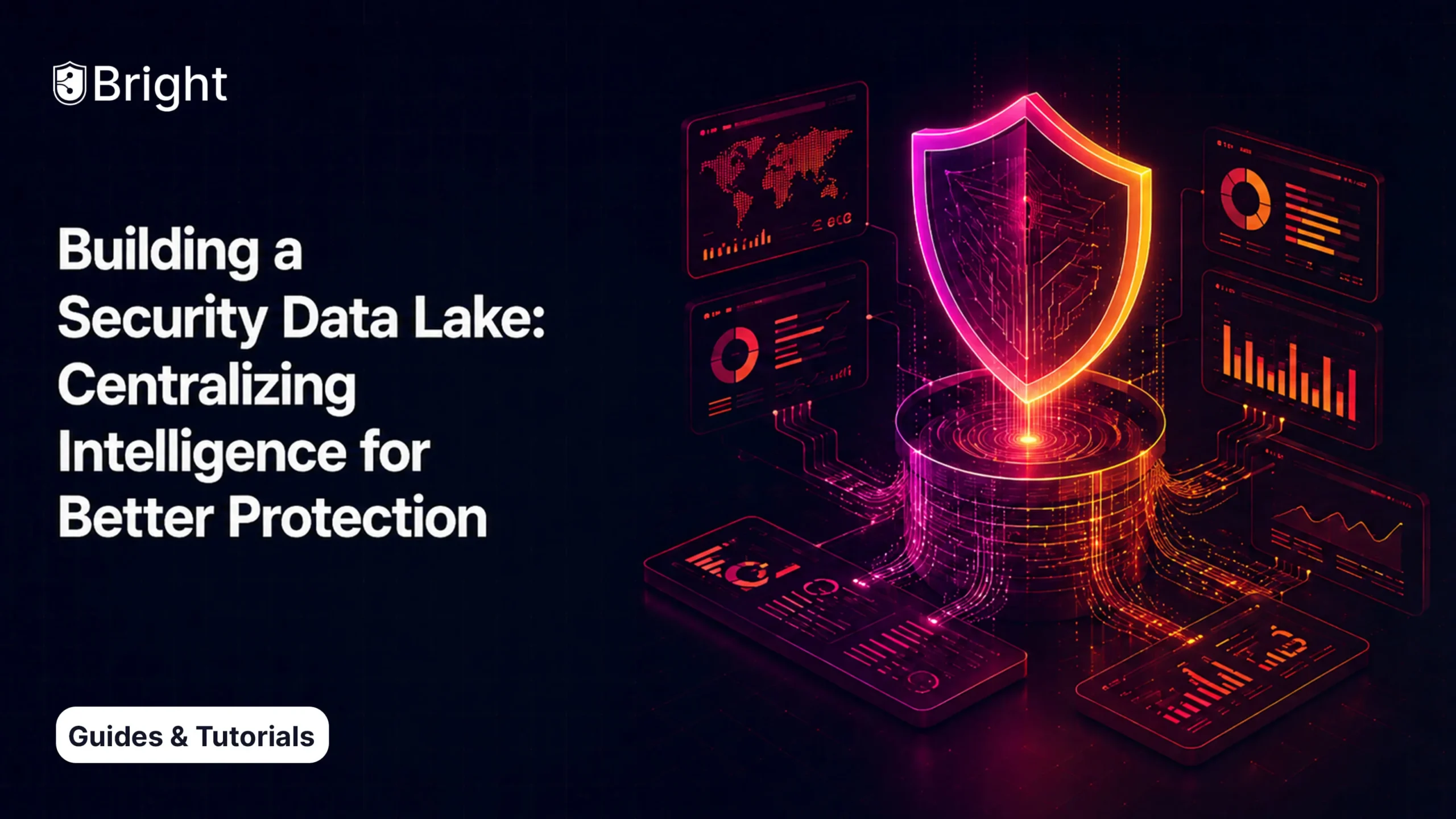
A security data lake is a centralized repository designed to ingest, store, correlate, and analyze large volumes of raw security telemetry from multiple operational systems. Instead of relying on isolated dashboards or disconnected reporting pipelines, security data lakes aggregate intelligence across the organization into a unified operational analytics layer.
Modern security data lakes typically centralize:
- API telemetry
- Runtime events
- Vulnerability findings
- Authentication logs
- Infrastructure analytics
- Cloud telemetry
- Threat intelligence feeds
This dramatically improves:
- Visibility
- Correlation
- Investigation speed
- Operational awareness
- Security analytics accuracy
Unlike traditional reporting systems, modern security data lakes increasingly support:
Real-time runtime intelligence correlation
This allows organizations to understand:
- Attack patterns
- Runtime exposure
- API risk
- Cross-system anomalies
- Operational security trends
Much more effectively than isolated tooling environments.
Why Traditional Security Visibility No Longer Works
Traditional security visibility models were designed for:
- Static infrastructure
- Predictable architectures
- Slower deployment cycles
- Human-managed workflows
Modern environments now behave fundamentally differently.
Today’s ecosystems increasingly depend on:
- APIs
- Runtime orchestration
- Cloud-native systems
- AI-generated applications
- Autonomous workflows
This dramatically increases:
- Telemetry volume
- Operational complexity
- Attack surface expansion
- Runtime visibility requirements
Traditional dashboards often fail because they provide:
- Isolated visibility
- Limited context
- Static reporting
- Incomplete runtime awareness
Modern organizations increasingly require:
Unified runtime security intelligence
Capable of correlating operational telemetry dynamically across:
- Development
- Security
- Infrastructure
- Product
- Runtime systems
In real time.
AI-Generated Development Increased Security Complexity
Modern engineering teams increasingly rely on:
- GitHub Copilot
- Cursor
- Claude
- Gemini
- ChatGPT
To generate:
- APIs
- Infrastructure logic
- Runtime workflows
- CI/CD automation
- Production-ready applications
The rise of the best AI coding assistants and best AI coding tools dramatically accelerates software delivery across enterprise environments.
But AI-generated applications also create:
- Faster API expansion
- Larger attack surfaces
- More runtime telemetry
- Increased operational complexity
- Greater AppSec pressure
This dramatically increases the importance of centralized visibility because security teams must continuously analyze:
- Runtime behavior
- API activity
- Authentication patterns
- Workflow orchestration
- Exploitability signals
Across rapidly evolving engineering environments.
Traditional fragmented visibility models cannot scale effectively in these ecosystems anymore.
The Operational Benefits Of Centralized Security Intelligence
Security data lakes significantly improve operational cybersecurity efficiency.
Centralized intelligence allows organizations to:
- Correlate security telemetry faster
- Detect anomalies earlier
- Improve runtime visibility
- Accelerate investigations
- Reduce operational blind spots
Modern enterprises increasingly use centralized security intelligence to improve:
- Threat detection
- Runtime analytics
- API monitoring
- AppSec visibility
- Incident response
This dramatically improves:
- Security responsiveness
- Cross-team collaboration
- Operational scalability
- Runtime awareness
Especially across distributed AI-native environments operating continuously.
Connecting AppSec, DevOps, And Runtime Security Data
Modern cybersecurity increasingly depends on correlating intelligence across:
- AppSec platforms
- CI/CD pipelines
- Runtime infrastructure
- Cloud environments
- API ecosystems
Organizations frequently struggle because security telemetry exists across disconnected operational systems.
Security data lakes help centralize:
- Vulnerability findings
- Runtime API activity
- Infrastructure telemetry
- Authentication signals
- Deployment analytics
This allows security teams to correlate:
Runtime behavior
With:
Development activity
Infrastructure changes
Operational risk
Modern AppSec platforms like BrightSec further strengthen this visibility through:
- Runtime DAST validation
- API exploit verification
- Continuous runtime testing
- Reachability analysis
Helping organizations connect runtime exploitability directly into centralized security analytics workflows.
Why APIs Changed Security Data Architecture
Modern applications increasingly operate through:
- APIs
- Runtime integrations
- Autonomous orchestration
- Distributed microservices
This fundamentally changes security data architecture requirements.
Traditional security models focused heavily on:
- Network boundaries
- Endpoint visibility
- Static infrastructure
Modern API-native environments require visibility into:
- Runtime API behavior
- Authentication flows
- Dynamic execution paths
- Service orchestration patterns
This generates massive amounts of operational telemetry that fragmented tooling environments struggle to analyze effectively.
Security data lakes help organizations centralize:
API runtime intelligence at scale
This becomes critically important in AI-native ecosystems continuously evolving through runtime orchestration.
Security Data Lakes And AI-Driven Threat Detection
Modern organizations increasingly combine security data lakes with:
- AI-driven analytics
- Behavioral modeling
- Runtime anomaly detection
- Threat correlation engines
AI-native analytics systems can continuously analyze:
- API behavior
- Authentication anomalies
- Runtime workflows
- Infrastructure changes
- Exploit patterns
This dramatically improves:
- Threat detection speed
- Operational awareness
- Runtime visibility
- Security prioritization
Especially in environments that continuously generate extremely large volumes of security telemetry.
AI-driven detection models increasingly depend on centralized data architectures because fragmented systems cannot provide sufficient runtime context for intelligent threat analysis.
Improving Cross-Departmental Visibility
One of the biggest advantages of centralized security intelligence is improved cross-functional visibility.
Modern organizations increasingly require alignment between:
- Security teams
- Engineering teams
- DevOps operations
- Product organizations
- Infrastructure teams
Security data lakes help create:
- Shared runtime visibility
- Unified operational context
- Centralized threat awareness
- Better investigation workflows
This dramatically improves:
- Collaboration
- Incident response
- Remediation prioritization
- Operational scalability
Because modern cybersecurity increasingly depends on:
Cross-functional runtime intelligence
Instead of isolated departmental reporting.
Runtime Intelligence Vs Static Reporting
Traditional security reporting often focuses on:
- Historical dashboards
- Static findings
- Point-in-time visibility
- Isolated metrics
Modern environments increasingly require:
- Real-time runtime visibility
- Continuous telemetry correlation
- Dynamic risk analysis
- Operational awareness
Security data lakes help organizations move from:
Static reporting
Toward:
Continuous runtime intelligence
This dramatically improves:
- Threat detection
- Security prioritization
- Runtime visibility
- Operational responsiveness
Especially across AI-native ecosystems that are evolving continuously.
Reducing Security Blind Spots Through Data Correlation
Modern enterprises frequently struggle with:
- API blind spots
- Runtime visibility gaps
- Incomplete threat context
- Disconnected telemetry
Security data lakes help reduce these operational blind spots through centralized correlation of:
- Runtime events
- Vulnerability findings
- API telemetry
- Authentication logs
- Infrastructure analytics
This allows organizations to identify:
- Cross-system attack patterns
- Runtime anomalies
- Exploitable workflows
- Operational risk trends
Much faster than fragmented security environments allow.
How BrightSec Strengthens Runtime Security Intelligence
BrightSec focuses specifically on:
Runtime AppSec visibility and exploit validation
Instead of relying only on:
- Static findings
- Point-in-time scanning
- Isolated security alerts
BrightSec continuously validates:
- Runtime vulnerabilities
- API exploitability
- Reachable attack paths
- Dynamic execution behavior
- Runtime exposure conditions
This helps organizations improve:
- Runtime intelligence
- API visibility
- Security prioritization
- Operational awareness
- Threat correlation accuracy
Especially across:
- AI-native applications
- API-first architectures
- Continuous deployment environments
- Autonomous runtime workflows
One of BrightSec’s biggest advantages is its strong focus on:
Continuous runtime validation instead of isolated scanning
This dramatically improves the quality of security telemetry entering centralized security analytics environments and helps organizations correlate:
Runtime exploitability
With:
Operational business risk
As modern AI-native ecosystems continue expanding rapidly, BrightSec increasingly helps enterprises strengthen:
- Runtime AppSec intelligence
- API security analytics
- Threat prioritization
- Centralized visibility models
Without slowing engineering velocity.
Building A Scalable AI-Native Security Architecture
Modern AI-native environments increasingly require:
- Centralized telemetry pipelines
- Runtime intelligence correlation
- Continuous AppSec visibility
- API security analytics
- AI-driven detection workflows
Organizations can no longer scale security operations effectively using:
- Fragmented dashboards
- Isolated tooling
- Static reporting models
Because runtime ecosystems evolve continuously through:
- APIs
- Autonomous workflows
- AI-generated development
- Cloud-native orchestration
Modern security architecture increasingly depends on:
Unified runtime intelligence layers
Capable of supporting operational visibility across the entire engineering ecosystem.
The Future Of Centralized Cybersecurity Intelligence
The future of cybersecurity increasingly depends on:
- Centralized telemetry architectures
- Runtime analytics
- AI-driven detection
- Cross-functional visibility
- Continuous runtime intelligence
Modern organizations increasingly require:
- Unified security visibility
- Real-time operational awareness
- API-centric analytics
- Runtime exploit correlation
- Intelligent prioritization
To secure AI-native ecosystems effectively at scale.
Security data lakes are rapidly becoming foundational because modern cybersecurity now depends not only on:
Collecting security data
But increasingly on:
Understanding how runtime intelligence connects across the organization
Final Thoughts
Modern cybersecurity is no longer only about generating alerts or collecting security logs.
It is increasingly about:
Correlating runtime intelligence across the entire organization
The rise of the best AI coding assistants, best AI coding tools, and best generative AI for coding is dramatically accelerating software delivery across enterprise environments. But faster engineering also creates:
- Larger attack surfaces
- More runtime telemetry
- Greater operational complexity
- Increased AppSec pressure
Traditional fragmented visibility models cannot scale effectively in these environments anymore.
Modern organizations increasingly require:
- Centralized security intelligence
- Runtime telemetry correlation
- API security analytics
- Continuous AppSec visibility
- AI-driven threat prioritization
Platforms like BrightSec help strengthen these environments through runtime DAST validation, API security testing, exploit verification, and continuous runtime intelligence.
Because in modern AI-native ecosystems, the future of cybersecurity is no longer isolated visibility.
It is increasingly:
Unified runtime intelligence operates continuously across the organization.