Anticipating the Future: Key Cybersecurity Trends Shaping 2024 and Beyond

The world of cybersecurity is a dynamic background, where innovation and threats engage in a constant tug-of-war. With each passing day, new technology empower organizations to bolster their defenses and productivity. Yet, on the flip side, these innovations also present fresh opportunities for malicious actors to breach security and access sensitive data. As 2023 unfolded, it brought a wave of transformation and challenges to the cybersecurity landscape. In this blog post, we’ll dive into the top 5 trends you should keep an eye on for 2024. 

Artificial Intelligence (AI) 

The rise of Artificial Intelligence (AI) continues to reshape our digital world. AI brings both promise and peril – a double-edged sword in the realm of cybersecurity. Cyber threats are evolving with AI, empowering malicious actors with new tools and capabilities. It is important to note that AI isn’t just for good; it’s also a weapon in the hands of those with ill intentions. The adoption of AI has surged, with over 50% of organizations using it, according to McKinsey & Company. 

This adoption boosts efficiency and automates routine tasks transforming how businesses operate. For instance, AI is beginning to play a role in code generation, promising faster development. Yet, it can introduce errors, including vulnerabilities in the source code, posing a real threat. To navigate this, we must strike a balance. As of now, AI can enhance productivity, but it can’t replace human expertise. Human oversight and experienced staff are crucial, especially in safeguarding sensitive information and assets. 

Passwordless Authentication

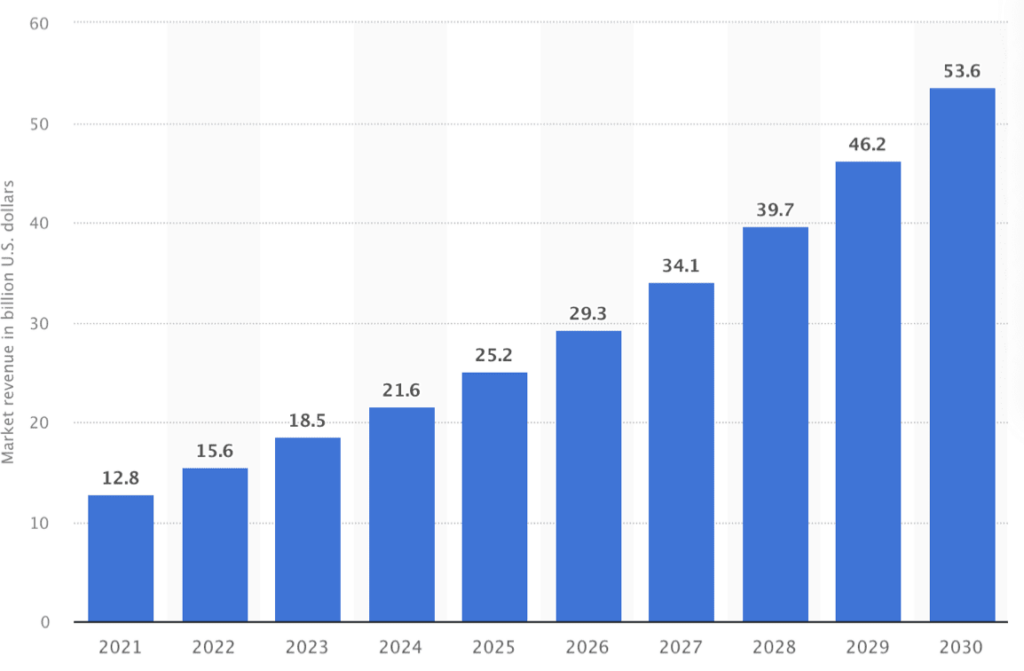
The passwordless authentication market is experiencing substantial growth. In 2022, it was valued at 15.6 billion USD, and projections indicate that it will exceed 53 billion USD by 2030, highlighting a significant upward trajectory. 
But what exactly is passwordless authentication? At its core, passwordless authentication is a method that enables users to access applications and IT systems without the need to enter a password or respond to security questions. Its primary goal is to diminish the significance of passwords in the eyes of potential malicious actors. Instead, access is granted through more secure and user-specific means, such as biometric authentication methods like facial recognition or fingerprint scans. 

The advantages of passwordless authentication are clear. By relying on biometric factors, it ensures that only individuals who can be accurately authenticated through unique physical or behavioral traits gain access to sensitive data. This approach significantly reduces the susceptibility to various types of attacks, including phishing attempts, credential stuffing, and brute force attacks. This trend is a vital step towards enhancing security and safeguarding sensitive information in organizations across many sectors. 

Zero Trust Architecture 

The zero trust security model is gaining momentum, and this trend is set to continue in 2024. Zero trust architecture emphasizes continuous authentication and validation for all users, both inside and outside an organization’s network, to access applications and data. This approach enhances security by ensuring that user access is consistently verified. 

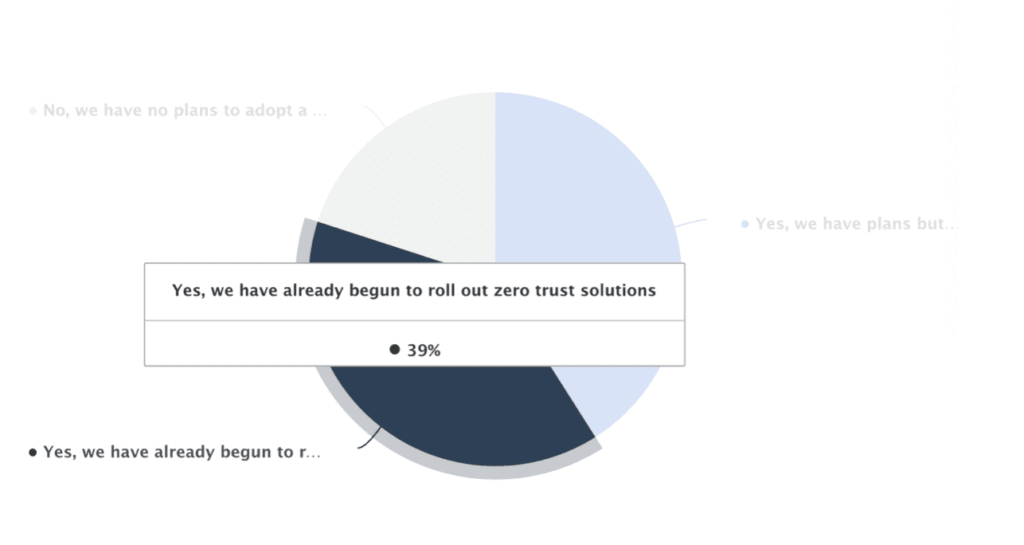
In a 2022 global survey, 39% of respondents had already begun implementing zero trust solutions.
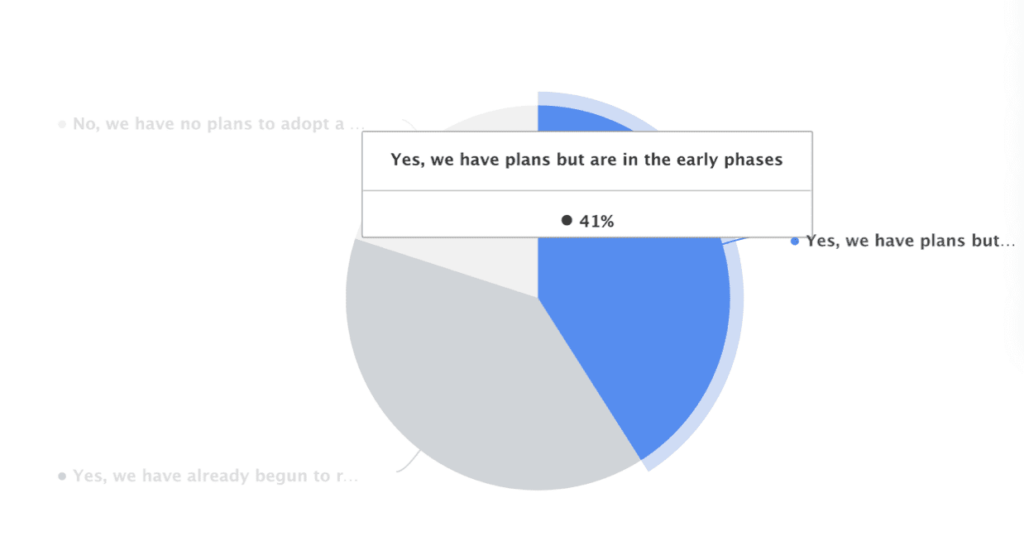
Additionally,  41% of respondents worldwide reported plans to adopt a zero trust strategy, with early-phase initiatives underway.
Despite these promising numbers, Gartner notes that only 1% of large organizations have fully implemented a mature zero trust program. However, the forecast indicates that by 2026, 10% of large organizations will have mature programs in place. This growth projection underscores the industry’s shift towards embracing zero trust security. 

With the majority of companies expressing interest in this model, 2024 presents an opportune time to explore its advantages and assess its suitability for your organization. 

Cybersecurity Skills Gap 

The evolving threat landscape and the constant innovation of malicious actors has increased the demand for cybersecurity professionals. Unfortunately, the current supply of such professionals falls short, posing a significant challenge for organizations seeking the expertise they require. The reality is that, with a developer to application security professional ratio of 500:1, many companies face a critical skills gap. 

To address this pressing issue, organizations should consider several proactive measures. First, they can invest in training their existing staff to develop in-house expertise. Empowering developers to take on security responsibilities is a valuable step in bridging the skills gap. Additionally, establishing a security champions program within the organization can help identify and nurture individuals with a keen interest and aptitude for cybersecurity. 

Lastly, exploring partnerships with cybersecurity vendors can provide access to external expertise and resources. In today’s interconnected world, security is not a luxury but a necessity. Organizations must be proactive in closing these skills gaps through a combination of training, internal empowerment, and strategic collaboration. 

Threat Detection, Investigation and Response (TDIR)

Threat detection, investigation, and response (TDIR) is a crucial strategy for mitigating cybersecurity threats and enhancing threat detection efficiency. In today’s dynamic digital landscape, the attack surface for organizations is continually expanding, and this trend is expected to persist in the coming years. It’s imperative for organizations to gain a comprehensive understanding of their risks and implement robust monitoring tools to proactively safeguard against potential cyberattacks. 

Levi Consulting predicts that by 2026, over 60% of TDIR capabilities will rely on management data to validate and prioritize identified threats, a significant increase from the current 5%. This emphasizes the growing importance of data-driven approaches in threat management. Fortunately, new solutions are emerging in the market to assist organizations in identifying threats, detecting attacks, and responding to incidents effectively. Organizations should consider leveraging these innovative tools to bolster their cybersecurity defenses. 

One such tool is Bright’s Dev-Centric Dynamic Application Security Testing (DAST) solution. Our solution has played a pivotal role in helping numerous organizations identify vulnerabilities early in the Software Development Life Cycle (SDLC). By addressing vulnerabilities at an early stage, organizations not only bolster their security but also save both time and resources in the long run. 

If you’re ready to take the first step in fortifying your organization’s cybersecurity posture, schedule a meeting with our sales team today. Our experts are keen to provide you with further insights and guidance on how our solution can assist in safeguarding your organization from potential threats.

NIST Weighs in on Software Supply Chain Attacks

What is a Software Supply Chain (SSC) Attack? 

Supply chain attacks strategically focus on infiltrating an organization by compromising the products, in this case the software that the targeted entities depend on. In this type of cyber-assault, attackers covertly implant a backdoor within the software or its development infrastructure. Once established, this concealed entry point grants them the ability to tamper with the software’s update and patching mechanisms. They exploit this capability to deliver “trojanized” updates—updates that appear legitimate but are laced with malicious code. More details about SSCs can be found in this blog post

The Rising Tide of Software Supply Chain Attacks

SSC attacks target the various stages of software development and distribution. By compromising the supply chain, attackers can infiltrate numerous systems and organizations simultaneously. This form of attack is particularly insidious because it exploits the trusted relationship between software providers and their customers. 

The significant rise in these attacks can be attributed to several factors, including the increasing complexity of supply chains and the widespread reliance on open-source components. Attackers are exploiting vulnerabilities in these components, or in the processes used to develop, deliver, and update software.

NIST’s Guidance: A Beacon in Tumultuous Waters

NIST’s latest release, SP 800-204, serves as a critical resource for organizations navigating these treacherous waters. The guidance focuses on the integration of security practices within DevSecOps – an approach that blends software development (Dev), security (Sec), and operations (Ops) – particularly within Continuous Integration/Continuous Deployment (CI/CD) pipelines. 

Key Recommendations from NIST

1. Enhanced Security in CI/CD Pipelines: NIST emphasizes the importance of embedding security measures throughout the CI/CD pipeline. This includes conducting security checks at each stage – from coding to deployment – to ensure that vulnerabilities are identified and addressed promptly.

2. Verification of Third-Party Components: Given the reliance on third-party components in software development, NIST recommends thorough vetting and continuous monitoring of these elements to ensure they are secure and updated.

3. Artifact and Attestation Management: NIST suggests maintaining comprehensive records of all activities and artifacts throughout the software development lifecycle. This ensures that each component of the software can be traced back to its source, making it easier to identify and mitigate potential compromises.

4. Regular Audits and Compliance Checks: Conducting regular audits and ensuring compliance with established security standards is crucial in maintaining a secure supply chain.

The DevSecOps Advantage in Mitigating SSC Risks

DevSecOps plays a pivotal role in mitigating the risks associated with SSC attacks. By integrating security practices into every stage of software development, organizations can proactively identify and address vulnerabilities.

1. Early Detection and Response: Incorporating security from the outset allows for early detection of potential threats, reducing the risk of downstream impacts significantly.

2. Automation for Enhanced Security: Automating security tasks within the CI/CD pipeline not only streamlines the process but also ensures consistent application of security measures.

3. Culture of Security: DevSecOps fosters a culture where security is a shared responsibility, encouraging collaboration and continuous learning among teams.

Challenges in Secure Software Delivery

While cloud-native environments and CI/CD pipelines offer numerous advantages, they also present unique security challenges. Incomplete implementation of security measures or lack of expertise can leave these environments vulnerable to exploitation.

1. Complexity of Cloud-Native Technologies: The intricate nature of cloud-native technologies can make it difficult to maintain visibility and control over the security posture.

2. Rapid Pace of Development: The fast-paced environment of CI/CD pipelines can sometimes lead to security being overlooked in the rush to deliver.

Forward-Thinking Strategies for SSC Security

To combat these challenges, organizations must adopt a forward-thinking approach.

1. Continuous Training and Awareness: Regular training programs can help teams stay updated on the latest security practices and threat landscapes.

2. Leveraging Advanced Security Tools: Investing in advanced security tools that are specifically designed for cloud-native environments and CI/CD pipelines can provide an extra layer of protection.

3. Partnership and Collaboration: Collaborating with security experts and industry peers can provide valuable insights and help in sharing best practices.

Conclusion

As software supply chains become increasingly integral to organizational operations, the need to safeguard them is more pressing than ever. NIST’s SP 800-204 is a testament to the critical role of comprehensive security strategies in today’s digital landscape. Organizations must not only heed these guidelines but also cultivate a proactive and informed security culture. By doing so, they can not only defend against the rising tide of SSC attacks but also pave the way for a more secure and resilient digital future.

The Growing Concern of Burnout in Application Security

The field of application security (AppSec), a critical component of the broader cybersecurity industry, is experiencing a surge in demand as organizations increasingly prioritize the protection of their digital assets. However, this growing demand is leading to an alarming trend: burnout among application security professionals. The rise in workload, coupled with the fast-paced and high-stress nature of the job, is taking a toll on the workforce.

A recent article highlights the burnout trend.  According to a 2023 study by the Information Systems Security Association (ISSA), 71% of companies feel they are negatively impacted by a shortage of skilled cybersecurity professionals.

The study also showed that over half the respondents felt that the shortage and its impact has worsened since 2021. And 63% say the workload has gotten heavier due to increasing attack surface areas, attack frequency and attack sophistication. AppSec staff is feeling the strain with half of people surveyed feeling burned out and plan to leave the field within the next 12 months.

Understanding the Burnout Phenomenon

Burnout is a state of physical, emotional, and mental exhaustion caused by prolonged stress. In the realm of application security, this stress often stems from the constant pressure to stay ahead of new threats, the demand for rapid response to vulnerabilities, and the high stakes involved in protecting sensitive data.

Statistics Highlighting the Issue

Recent studies shed light on the severity of burnout in cybersecurity roles:

  • A survey by the International Information System Security Certification Consortium (ISC)² reported that 51% of cybersecurity professionals are experiencing burnout or extreme stress.
  • Another study by Enterprise Strategy Group (ESG) and the Information Systems Security Association (ISSA) found that 38% of cybersecurity professionals feel that their work-life balance is out of control.
  • Cybersecurity Ventures predicted a global shortage of 3.5 million cybersecurity jobs by 2021, exacerbating the workload on existing professionals.

These statistics reveal a disturbing trend: as the gap between the demand for skilled professionals and the available workforce widens, existing application security experts are being pushed to their limits.

Factors Contributing to Burnout

Several key factors are contributing to the rising burnout rates among application security professionals:

  1. Ever-Evolving Threat Landscape: The rapid evolution of cybersecurity threats means that application security professionals must continuously update their skills and knowledge. This constant race to keep up can be mentally exhausting.
  1. High-Pressure Environment: The high stakes involved in protecting applications from breaches create a pressure-cooker environment. A single oversight can lead to significant financial and reputational damage for organizations, placing immense responsibility on the shoulders of security professionals.
  1. Resource Shortages: The shortage of skilled professionals leads to increased workloads for existing staff. This situation is compounded by budget constraints in many organizations, limiting the resources available for tackling complex security challenges.
  1. Lack of Recognition: Often, the efforts of application security professionals go unnoticed unless a breach occurs. This lack of recognition and support can lead to feelings of undervaluation and frustration.

The Impact of Burnout

Burnout in application security professionals can have several negative consequences:

  • Decreased Productivity: Exhaustion and stress can lead to decreased efficiency and effectiveness, potentially increasing the risk of vulnerabilities being overlooked.
  • Health Issues: Chronic stress can lead to serious health problems, including heart disease, depression, and anxiety.
  • High Turnover Rates: Burnout is a significant factor in job turnover, which can be costly for organizations and destabilize security teams.

Addressing the Challenge

To combat burnout, organizations need to take proactive steps:

 1. Foster a Supportive Work Environment: Creating a supportive work environment that recognizes the contributions of security professionals and provides them with the resources they need is crucial. This includes adequate staffing, access to advanced tools, and opportunities for professional development.

 2. Implement Work-Life Balance Initiatives: Encouraging a healthy work-life balance is vital. This can be achieved through flexible work hours, remote work options, and ensuring that employees take regular breaks and vacation time.

 3. Promote Mental Health Awareness: Organizations should promote mental health awareness and provide support resources such as counseling services and stress management programs.

 4. Develop a Strong Organizational Culture: A strong organizational culture that values open communication, teamwork, and employee well-being can significantly reduce stress levels.

Future Trends

Looking ahead, several trends are likely to shape the application security workplace landscape:

  • Increased Adoption of AI and Automation: As AI and automation technologies mature, they will play a more significant role in reducing the workload on security professionals.
  • Greater Focus on Employee Well-being: Organizations are starting to recognize the importance of employee well-being and are likely to invest more in initiatives to prevent burnout.
  • Expansion of Remote Work: The expansion of remote work offers more flexibility, which can help improve work-life balance for security professionals.

Conclusion

The state of application security job burnout is a growing concern that needs immediate attention. While the challenges are significant, addressing them is not only crucial for the well-being of the workforce but also for the overall effectiveness of cybersecurity strategies. By acknowledging and actively addressing the factors contributing to burnout, organizations can ensure a more resilient and productive security posture. As we move forward,

The AI Revolution: Transforming Businesses and Application Security

Artificial intelligence (AI) has emerged as a transformative force in today’s business landscape, touching virtually every industry with its disruptive potential. At its core, AI represents a machine’s ability to execute cognitive functions typically associated with human intelligence. This technology promises not only to augment human capabilities but also to revolutionize how companies operate, improving efficiency and decision-making.

The growth of AI adoption has been nothing short of remarkable. Just six years ago, in 2017, a mere 20% of companies were utilizing AI to enhance their operations. Fast forward to 2023, and we find ourselves in an AI-infused world, with nearly half of all businesses incorporating AI into their strategies, processes, and products. 

Source: https://explodingtopics.com/blog/companies-using-ai 

This surge in AI integration signifies a fundamental shift in how companies perceive and utilize technology to gain a competitive edge. The implications of AI are vast, from automating routine tasks to unlocking actionable insights from massive datasets, driving innovation, and delivering personalized customer experiences. 

In this blog post, we will explore AI’s influence on businesses, the primary driver of the AI revolution, and the associated drawbacks. 

AI’s Influence on Application Security 

As organizations increasingly depend on digital solutions to maintain competitiveness, the demand for robust application security has surged. To address this growing need, organizations are harnessing the power of artificial intelligence, revolutionizing their approach to application security testing with unprecedented speed and precision. AI, through its capacity to learn and adapt, is fundamentally transforming the identification and mitigation of vulnerabilities. 

The Utilization of AI in AppSec Testing 

AI is actively employed in AppSec testing through various methods: 

  1. Automated code analysis: AI is used to analyze code automatically, identifying potential security vulnerabilities.
  2. Intelligent prioritization: AI enables the intelligent prioritization of security issues, ensuring that the most critical vulnerabilities are addressed first.
  3. Continuous monitoring: AI provides continuous surveillance of applications, promptly identifying any emerging threats or weaknesses.
  4. Threat detection and prediction: AI aids in the proactive detection and prediction of security threats, reducing the risks of breaches. 
  5. Incident response automation: AI streamlines incident response procedures, enabling quicker and more effective reactions to security incidents. 

The Impact of AI on AppSec Testing

The incorporation of AI into AppSec testing yields a range of advantages when compared to conventional methods. These benefits include: 

  1. Increased speed and efficiency: AI accelerates the testing process, enabling faster identification and resolution of security issues.
  2. Improved accuracy: AI-driven systems exhibit higher precision in identifying vulnerabilities, reducing false positives and false negatives.
  3. Scalability: AI can adapt to the evolving needs of organizations, handling an ever-increasing volume of applications and code. 
  4. Adaptability: AI continuously learns and adapts to emerging threats and vulnerabilities, ensuring ongoing protection. 

The Rise of ChatGPT 

In the AI revolution, one standout performer takes the center stage: ChatGPT. Developed by OpenAI, an artificial intelligence research company, ChatGPT made its debut in November 2022. What is ChatGPT, you ask? It’s short for Chat Generative Pre-trained Transformer, a powerful language model-based chatbot that empowers users to craft conversations that cater precisely to their needs. 

Want to tweak the length of your responses? Done. Need a different format or style? No problem. Require varying levels or detail or even communication in a different language? ChatGPT’s got you covered. The versatility of ChatGPT opens up a world of possibilities for  individuals and organizations. 

The impact of ChatGPT has been significant, with approximately half of U.S. businesses embracing its capabilities. From code writing and hiring processes to customer service interactions and content creation, ChatGPT has found its way into the operations of companies both large and small. This adoption frenzy is not without reason. A recent report from Forbes uncovered a staggering statistic: 48% of the companies utilizing ChatGPT have reported that it has replaced human workers in various roles. Showcasing the cost-saving capabilities of this technology. 

The AI Revolution and Data Privacy 

As with most technological advancements, the rise of artificial intelligence comes hand in hand with its own set of challenges and concerns. One of the main concerns is data privacy. AI heavily relies on data, and as it becomes increasingly entwined with our daily lives, safeguarding sensitive customer information and ensuring compliance with data protection regulations become paramount.

A recent survey conducted in collaboration between Rackspace and Microsoft gathered insights from 1,400 IT decision-makers, shedding light on the AI-related concerns within the industry. Notably, more than three in five IT decision-makers expressed that the advent of AI has escalated the need for cybersecurity. This has led to the implementation of stricter data storage and access protocols, as organizations grapple with the increased vulnerability that comes with the territory of AI.

Additionally, survey respondents revealed a heightened awareness of the risks associated with sensitive data exposure, especially when third-party AI platforms are involved. While these platforms offer new capabilities, they also introduce complexities in safeguarding sensitive data. Companies considering the adoption of AI must carefully evaluate the potential risks and mitigation strategies. 

Conclusion 

In conclusion, the rise of artificial intelligence has created new possibilities and challenges for businesses across the globe. The rapid adoption of AI technology has transformed the way companies operate, boosting efficiency and innovation while also presenting new risks. AI’s influence on application security is a prime example of this transformation, with its ability to identify and mitigate vulnerabilities in digital solutions at unparalleled speed and precision. 

However, as AI becomes increasingly ingrained in business operations, data privacy concerns have grown substantially. Safeguarding sensitive information and adhering to data protection regulations has become paramount, with a heightened focus on cybersecurity and the responsible use of AI technologies. 

As we navigate this AI-driven landscape, businesses must strike a balance between harnessing the potential of AI and addressing the associated challenges to ensure a secure, innovative, and responsible future. 

Unlocking Seamless Security with Bright’s DAST on the AWS Marketplace

The cybersecurity landscape is constantly evolving, and organizations must be agile enough to keep pace. In the realm of application security, Dynamic Application Security Testing (DAST) has emerged as a critical tool for identifying and remediating application and API vulnerabilities. Bright’s DAST solution, now available on the AWS Marketplace, stands out by offering developer-centric features and seamless integration. 

In this blog post, we will explore what Bright Security’s DAST solution entails, what it means to have it available on the AWS Marketplace, and how it can redefine the way businesses handle application security.

To begin with, the AWS Marketplace is a digital catalog that offers thousands of software solutions from independent software vendors (ISVs). These are all designed to run on the Amazon Web Services (AWS) cloud platform. It’s like an online store, but for cloud-based applications, software, and services. 

Bright Security’s DAST solution is specifically designed to cater to the unique needs of Application Security (AppSec) and development teams. By shifting AppSec testing left, this state-of-the-art solution allows for early scanning of application and API vulnerabilities without false positives.

Some key Bright features include:

  • Unprecedented IDE Integration: It offers seamless integration with the Integrated Development Environment (IDE), enabling developers to scan directly from their working environment.
  • Real-Time Scanning: Immediate and continuous scanning right from the early stages of the Software Development Life Cycle (SDLC), identifying and rectifying vulnerabilities before they escalate.
  • No False Positives: The solution’s accuracy ensures that only genuine threats are detected, saving time and resources in the remediation process.

AWS Marketplace: A Perfect Platform

Having Bright Security’s DAST solution on the AWS Marketplace signifies a strategic alignment with one of the most extensive cloud ecosystems. Here’s why this integration is vital:

Simplifying Procurement with AWS

1. Streamlined Access and Deployment

Purchasing and deploying security tools should not be cumbersome. By offering Bright’s DAST on the AWS Marketplace, the procurement process becomes even more straightforward and efficient. Organizations can quickly locate the solution, review its features, and complete the purchase, all within AWS’s robust ecosystem. 

2. Consolidated Billing

Managing multiple vendors and disparate billing cycles can be a complex task. With Bright’s DAST available on AWS, customers can add Bright to their AWS bill directly. This unified billing approach simplifies accounting and enables organizations to manage their costs effectively.

3. Expedited Return on Investment (ROI)

Quick access to the solution and simplified billing translate into a faster return on investment. Organizations can get up and running with Bright’s DAST quickly, leveraging its capabilities to secure applications and drive value without unnecessary delays. This expedites the proven ROI that Bright brings to organizations. 

Enhancing Development Workflows

4. Developer-Centric Approach

Bright’s DAST solution is built around the workflows and needs of developers. Its unique integration with Integrated Development Environments (IDE) eliminates significant administrative tasks and allows developers to initiate security scans from their working environment. This dev-centric approach aligns security with development, promoting a more proactive security posture.

5. No False Positives

Bright’s solution minimizes zero false positives which are common in legacy DAST solutions, allowing teams to focus on real threats without chasing down irrelevant alerts. This accuracy speeds up the remediation process and boosts productivity.

6. Automation and CI/CD Integration

Automation is key to modern development, and Bright’s DAST supports seamless integration with Continuous Integration/Continuous Deployment (CI/CD) pipelines. This enables automated security testing as part of the development process, reducing manual efforts, and accelerating release cycles.

Embracing a Shift Left Strategy

7. Early Vulnerability Detection

Shifting security testing left in the Software Development Life Cycle (SDLC) means initiating measures earlier in the development process. Bright’s DAST facilitates this approach, identifying vulnerabilities well before they reach production with its unprecedented IDE integration allowing developers to initiate scans. Early detection reduces the cost and complexity of remediation.

8. Integration with the AWS Environment

Since Bright’s DAST solution is available through the AWS Marketplace, it integrates seamlessly with AWS services. Organizations can leverage the interoperability between Bright’s solution and their existing AWS infrastructure to enhance efficiency and streamline security processes.

Compliance and Regulatory Benefits

9. Adhering to Standards

Bright’s DAST solution assists organizations in meeting various industry regulations and compliance standards including ISO 27001 and NIST. By integrating best practices into its scanning process, Bright helps ensure that applications are in line with required security standards.

Real-World Applications

Bright Security’s DAST solution on AWS Marketplace is already making waves across various industries:

  • Financial Services: Banks and financial institutions can secure their online portals and transactional systems against emerging threats.
  • Healthcare: Protecting sensitive patient data and ensuring HIPAA compliance is now more accessible for healthcare providers.
  • Government: Ensuring robust compliance with regulatory standards and enhancing the security of critical governmental applications.

Conclusion

Bright Security’s DAST solution on the AWS Marketplace is not just a product listing; it’s a revolutionary approach to application security that aligns with modern development practices

With features designed around the needs of developers and a streamlined procurement process through AWS, it provides organizations with a clear pathway to a robust, agile security posture. The elimination of false positives, seamless CI/CD integration, IDE integration, early vulnerability detection, and compliance support further cement Bright’s DAST as a must-have for any forward-thinking organization.

By choosing Bright’s DAST on the AWS Marketplace, businesses not only safeguard their applications but also enhance development workflows, foster collaboration between AppSec and development teams, and drive overall business success. The future of application security is here, and Bright’s DAST solution is leading the way. 

What Is Dora and Why Is It Critical

The Digital Operational Resilience Act (DORA) is a new regulation that was adopted by the European Union (EU)  in December 2022. The act aims to improve the digital resilience of the financial sector by requiring financial institutions to implement robust measures to prevent, detect, and respond to ICT-related disruptions and threats. The core goal is to prevent and mitigate cyber threats.

ICT (Information and Communication Technology) risks refer to the potential threats and vulnerabilities that can impact the confidentiality, integrity, and availability of information and technology systems. Here are some common ICT risks:

  • Cybersecurity threats: These include malware, viruses, hacking, data breaches, phishing attacks, ransomware, and other malicious activities that can compromise sensitive information and disrupt systems.
  • Data breaches: Unauthorized access to sensitive data, either due to external attacks or internal breaches, can result in the loss, theft, or exposure of valuable information.
  • System downtime: Unplanned outages or system failures can disrupt business operations, leading to financial losses, reduced productivity, and customer dissatisfaction.
  • Software vulnerabilities: Weaknesses or flaws in software applications can be exploited by attackers to gain unauthorized access, manipulate data, or disrupt system functionality.
  • Human error: Mistakes made by employees, such as accidental data deletion, misconfiguration of systems, or falling for social engineering scams, can expose organizations to significant risks.
  • Insider threats: Employees or authorized individuals who misuse their access privileges to steal data, sabotage systems, or compromise security pose a risk to organizations.
  • Lack of IT governance: Inadequate policies, procedures, and controls related to ICT can result in non-compliance, weak security practices, and inefficient resource allocation.
  • Infrastructure failures: Failures in hardware components, network infrastructure, or power supply can disrupt ICT operations and cause data loss or downtime.
  • Third-party risks: Dependence on external vendors, cloud service providers, or partners introduces risks associated with their security practices, reliability, and compliance.
  • Regulatory and legal compliance: Failure to comply with industry regulations, data protection laws, or privacy requirements can result in legal repercussions, financial penalties, and reputational damage.

The primary purpose of DORA is to ensure the operational resilience of the EU financial sector. DORA complements existing laws such as the Network and Information Security Directive (NISD) and the General Data Protection Regulation (GDPR)

DORA applies to all financial institutions in the EU. That includes traditional financial entities such as banks, investment firms, and credit institutions, and non-traditional entities, like crypto-asset service providers and crowdfunding platforms. 

DORA also applies to some entities typically excluded from financial regulations. For example, third-party service providers that supply financial firms with ICT systems and services such as cloud service providers (CSPs) and data centers must follow DORA requirements. Lastly, DORA also covers firms that provide critical third-party information services such as credit rating services and data analytics providers. 

Organizations covered by Digital Operational Resilience Act need to implement risk management processes that help to identify potential vulnerabilities to credible cyber threats and put policies and security controls into place to protect against these risks. Organizations must test their ICT systems regularly to evaluate the strength of their protections and identify ‌vulnerabilities.

The key requirements of DORA include:

  • Risk management: Financial institutions must have a comprehensive risk management framework in place to identify, assess, and mitigate ICT risks.
  • Incident reporting: Financial institutions must report all significant ICT incidents to their national supervisory authorities.
  • Resilience testing: Financial institutions must regularly test their resilience to ICT disruptions.
  • Third-party oversight: Financial institutions must perform due diligence on critical third-party providers and monitor their performance on an ongoing basis.

Testing applications clearly falls into resilience testing. Software resilience testing is a method of software testing that focuses on ensuring that applications and APIs will perform well in real-life or chaotic conditions. In other words, it tests an application, or API’s resiliency, or ability to withstand stressful or challenging factors. 

Dynamic Application Security Testing (DAST) can be an excellent addition for resilience testing. (DAST) primarily focuses on identifying vulnerabilities and security flaws within applications in a compiled environment and during runtime. While its main purpose is not specifically related to resiliency testing, DAST can indirectly support aspects of resiliency testing through the identification and remediation of security weaknesses. Below are a few ways that DAST can contribute to resilience testing:

1. Identification of security weaknesses: DAST tools actively scan applications to identify security vulnerabilities such as SQL injection, cross-site scripting (XSS), and insecure configurations amongst many others. By addressing these vulnerabilities, organizations can improve the resilience of their applications against potential attacks that may impact availability or compromise data integrity. A developer-centric DAST should be part of the development lifecycle to identify and remediate vulnerabilities earlier in the SDLC well before production.  

2. Validation of error handling and exception management: Resilient applications should be capable of handling unexpected errors and exceptions gracefully. DAST can help identify areas within the application where error handling and exception management may be inadequate or inconsistent, allowing organizations to improve their resiliency by addressing these issues.

3. Integration with broader testing and monitoring processes: DAST can be integrated into a broader testing and monitoring framework. By incorporating DAST into an overall resiliency testing strategy, organizations can assess how security vulnerabilities may impact the resiliency of their applications. 

While DAST may not directly focus on all aspects of resiliency testing, its ability to identify and remediate security weaknesses can contribute to overall application resilience. And of course it is important to complement DAST with other testing techniques and methodologies that specifically target resiliency to ensure comprehensive testing coverage.

To summarize, by imposing these regulations, DORA aims to foster a more secure and resilient financial sector, where institutions are well-prepared to navigate operational risks, withstand cyber threats, and effectively respond to potential disruptions. Compliance with DORA is not only a legal requirement but also a means to instill trust and confidence among customers and stakeholders in the financial industry. And of course there are public reprimands and fines for non-compliance Institutions may face fines up to 10 million euros or 5% of their total annual turnover. Download how Bright helps organizations become DORA compliant here

Panel Summary: Best Practices for Tackling OWASP’s Top 10 Web Security Threats

The OWASP Top 10 is a well-known list of web application security risks that has been a prominent reference for many years. However, effectively addressing these threats within your organization can be a challenge. 

Fortunately, six industry experts joined forces to tackle the OWASP Top 10. In their session, they discussed crucial topics such as implementing secure coding practices and integrating DevSecOps methodologies. They also explored various strategies aimed at enhancing authentication and access control measures.

By drawing insights from these experts, you can gain valuable guidance on mitigating the risks outlined in the OWASP Top 10 and fortify your application security framework. 

What is OWASP? 

OWASP stands for the Open Web Application Security Project. It’s a valuable resource catering to individuals from both technical and non-technical backgrounds, providing knowledge about security issues that can arise in applications. One of OWASP’s notable contributions is the OWASP Top 10, which highlights the ten most frequently occurring application security risks. This list serves as a valuable reference for developers, security professionals, and organizations to prioritize their security efforts. Additionally, OWASP offers local chapters and contributes to the community through various tools and projects aimed at improving application security.

However, it’s important to note that while the OWASP Top 10 is a valuable resource, it’s not the definitive answer to all security challenges. Staying informed about new risks, utilizing appropriate tools, and leveraging evolving frameworks are key strategies for effectively managing security challenges. 

Let’s dive into how to mitigate the risks outlined in the OWASP Top 10. 

Mitigation of the OWASP Top 10 

Implementing Secure Coding Practices 

To effectively mitigate the OWASP Top 10, Implementing secure coding practices is a crucial step. To help developers code more securely, it’s important to start with the basics and ensure a clear understanding of what security entails. While security is often viewed as a burden, developers need to comprehend the long-term implications and consequences of overlooking threats that could have been addressed earlier. Emphasizing that prioritizing security benefits everyone in the long run is essential.

Education plays a critical role in promoting secure coding practices. Developers learn best through hands-on experience, so the “learning by doing” principle is a powerful tool. By encouraging developers to apply secure coding principles in practice, they can gain valuable experience and improve their skills. Emphasizing a “secure by design, secure by default” approach helps build a solid foundation for secure software development. 

Additionally, threat modeling is an effective technique for identifying potential vulnerabilities and assessing their impact on the system. It involves analyzing the various components and interactions within the system to determine potential security risks and their impact. Resources such as the Threat Modeling Manifesto and  Threat Modeling: Designing for Security by Adam Shostack can provide valuable guidance in this area. 

By establishing a solid foundation of secure coding principles, emphasizing education and hands-on learning, and integrating threat modeling into the development process, organizations can empower developers to code more securely and build robust software systems.

Integrating DevSecOps Methodologies

DevSecOps is a cultural shift that integrates security into the entire software development life cycle (SDLC). While implementing DevSecOps may seem overwhelming, starting small with a team-by-team approach is recommended. This gradual implementation allows for a more manageable transition, considering the complexity of integrating security into the development process. By fostering collaboration between security and development teams, organizations can maximize the benefits of DevSecOps and avoid conflicts and delays.

To demonstrate the value of DevSecOps and gain stakeholder support, it is important to focus on clear metrics. Overcoming the perception that security is solely a policing function requires emphasizing its ongoing commitment and integrating it into the organizational culture. Compliance plays a crucial role in driving the adoption of DevSecOps, ensuring regulatory requirements are met and attracting customers who value strong security practices. Embracing DevSecOps leads to enhanced security, improved efficiency, faster time-to-market, increased customer trust, and a competitive edge.

Strengthening Authentication and Access Control

Authentication and Access Control pose a significant challenge for organizations. To effectively tackle this issue, organizations should focus on best practices and avoid reinventing the wheel. It is crucial for everyone involved to understand the implications and possess foundational knowledge, including proper user authentication and the use of features like two-factor or multi-factor authentication for heightened security.

Simplicity is key in authentication and authorization. Implementing multiple different mechanisms for authentication and authorization should be avoided. Instead, organizations should strive to standardize their approach and select a single, robust method that aligns with industry best practices. This approach streamlines processes, reduces complexity, and enhances overall security. By adhering to these principles, organizations can strengthen their authentication and access control measures, creating a more secure environment for their users.

A Proactive Approach to Application Security 

The rapid advancement of technology and the growing interconnectedness of systems have led to a constantly evolving application security landscape. This dynamic environment brings forth new challenges and threats that organizations need to address. Cybercriminals, taking advantage of vulnerabilities, continuously develop innovative methods to breach security measures.

To effectively tackle these risks, it is crucial to stay informed about the OWASP Top 10, which provides insights into the most common vulnerabilities impacting application security today. By understanding these risks, organizations can implement robust security measures and make informed decisions during application development and release. Embracing this proactive approach to application security enables the release of more secure applications, the safeguarding of critical data, and the maintenance of stakeholder trust.

Benefits of AppSec Education and Gamification

If you’ve been keeping up with the AppSec world recently, you’ll have noticed that it’s all a bit in a frenzy between the AI wreaking havoc and the legacy tools struggling to keep up with the demands. 

The sudden emergence of ChatGPT created an amazing tool for developers to speed up their processes. Still, with that, it also amplified the secure coding practices issues as it proved that the AI tools don’t really keep security in mind when generating their code. 

It’s in this exact environment where you need to amp up the focus of your employees on security because the pitfalls are everywhere. 

Importance of Education

Even though most employees would be reluctant to complete those somewhat boring and time-demanding educational tasks, it’s something that has to have a priority in 2023. And it’s not just the developers that have to go through this, either. The chain is only as strong as its weakest link – and this rings especially true in the cybersecurity world – implying that you cannot put any single one of your employees aside and have them ignore the safety measures. 

This is where gamification of the educational AppSec content comes in. It allows for a fun experience and competition, creating an environment where educating and learning come naturally, without a lot of added effort and pressure. 

Fantasy… AppSec? 

If you’ve ever played fantasy sports with your friends or colleagues – as I sure have – you’ll know that it amplifies the match-watching experience. Well, the same rings true with AppSec. If you had means of poking fun at each other, competing, and creating a flourishing atmosphere, all while actually learning and making your company safer by the day, that would be a nice combo, wouldn’t it?

We at Bright looked at this issue and found that learning while having fun is a way more attractive proposition than just staring at the content without stakes or rewards at hand. This approach allowed us to develop our cybersecurity skills and create bondings within the teams as a direct result of competing and working together.

Looking For Security Champions

Gamification of educational AppSec content can generate amazing opportunities, including potentially finding hidden gems within your companies. As we all know, the role of a security champion still isn’t a very refined one, and you may have a few potential candidates “hiding” in plain sight. By introducing a competition-and-award system, you might just find that someone you didn’t expect is a master of solving security-related issues, thus giving you a long-term in-house solution for cybersecurity problems.

Conclusion

We should all thrive to make our working environment a more fun and engaging place each day. Education through gamification hits an excellent balance between the things you could utilize for the long-term security of your company, while avoiding antagonizing your employees and colleagues by making them go through exhausting, and quite often, create a counter-effect of people just going through the motions without actually paying attention.

Activities and Opportunities at RSA Conference 2023

RSA conference is fast approaching and we want you to stay informed about everything that’s happening. As we gear up for this exciting event, we want you to be in the know of the range of activities designed to explore the fascinating world of AppSec. From 1:1 demos and giveaways to cocktail hours, we’ll be offering a variety of opportunities to learn about the latest trends and techniques in application security. 

Below is a quick overview of the activities happening at RSA. Get ready to connect with other professionals in your field, share knowledge, and gain new insights. Whether you’re looking to expand your professional network or deepen your understanding of the latest trends in the industry, this event has it all. We hope you’ll join us for this unforgettable experience and take advantage of all the opportunities available to you. 

Visit our Booth 

Are you looking to take Application Security to the next level with DAST? Stop by our booth #28 to engage with our team and discuss how you can take the first steps towards automating security testing in your development pipelines. Our experts are on hand to provide valuable insights and guidance on how you can leverage DAST to enhance your application security. Additionally, book some 1:1 time with our team to get a personalized experience and explore how DAST can work best for your specific needs. 

DAST Patrol: Snapping the Cyber Suspect

Come to our mini-booth at 814 Mission Street (Filipino Cultural Center), 94103 San Francisco anytime during business hours between Tuesday, April 25th and Thursday, April 27th to become the cyber suspect of our fun photo display, and win a $25 gift card. 

We also have plenty of swag and other giveaways available for all visitors to our booth as well as at the mini-booth at the Mission Street location. Don’t miss out on the opportunity to win big and take home some cool prizes. Come join in the fun!

Evolution Equity Partners Portfolio Showcase and Cocktail Reception 

Join Evolution Equity Partners on Wednesday, April 26th from 4:00- 6:30 pm for an unforgettable evening of networking and celebration. The event will feature a portfolio showcase, providing a unique opportunity to meet with cybersecurity leaders and learn about the next generation of companies that are working to safeguard our digital world. After the showcase, stick around for a fun and engaging cocktail reception, where you can enjoy a tasting tour of whiskey from around the world, as well as a selection of delicious canapes and other beverages and cocktails. 

Israel Lounge 

Join us at the Israel Lounge reception on Thursday, April 27th, from 9:00 am to 3:00 pm. The reception will showcase 25 of the leading Israeli cyber security companies, offering you the opportunity to network with industry experts and explore innovative tech solutions. There will be food and drinks available for you to enjoy throughout the event. Sign up to discover cutting-edge technology and meet the key players in the Israeli cyber security scene.

Cyber Fangs Lunch

On Monday, April 24th, Cyber Fangs will be hosting an exclusive lunch event from 12:00-2:00 pm. This event is specifically for Chief Marketing Officers (CMOs) and marketing leads in the cyber security industry, with a cap of no more than 50 attendees. The focus of the event is to facilitate constructive discussions on the future of PR and marketing in the industry. 

ProjectDiscovery Happy Hour 

ProjectDiscovery invites you to join their happy hour event during the conference. Taking place on Tuesday, April 25th from 4:45-7:00 pm, this event promises to be an excellent opportunity to mingle with other cybersecurity professionals while enjoying some drinks, demos, and community building. Come and network with other industry experts who share your passion for cybersecurity. 

Netskope Partner Mixer 

Netskope is extending an invitation to join them at their annual partner mixer on April 25th from 5:00 – 7:30 pm. This event provides an opportunity for partners to meet the leadership team and learn more about how they can protect their customers while making money with Netskope. The annual partner mixer is an excellent way to stay up to date with the latest innovations in cloud security and gain a competitive edge in the market. 

The Cyber Breakfast Club

The Cyber Breakfast Club is a private group that connects cybersecurity executives and leaders over breakfast. Join them on April 26th from 8:00 – 9:30 am to network with other cybersecurity professionals, share your experiences, and learn from your peers. Sign up for breakfast, networking, and peer-to-peer discussion that promises to be both informative and enjoyable.

Giants VS Cardinals Luxury Suite 

Netskope, Stellar Cyber, and Illumio are inviting you to be their honored guest at a baseball game in their luxury suite on April 26th at 6:00 pm. Join other industry peers to unwind after a busy day at the RSA event. This is an excellent opportunity to network and socialize with other professionals while enjoying a baseball game in a relaxed and comfortable environment. Take a break from the hustle and bustle of the RSA event and enjoy some leisure time while still expanding your network. 

YL Ventures & Portfolio Cocktail Party 

YL Ventures and their portfolio companies, Cycode, Enso, Opus, Satori, Valence, Vulcan, and Spera, invite you to a networking event like no other. Taking place on Wednesday, April 26th at 6:00 pm, this event promises great food, drinks, and outstanding company. Join them and network with a distinguished group of cybersecurity leaders, while also getting to know the exciting and innovative companies that make up YL Ventures’ impressive portfolio. 

Networking opportunities 

RSA offers multiple opportunities for you to network with your peers and experience hands-on activities. From the welcome reception to the Expo pub crawl, women’s networking reception, and more, there’s something for everyone. We encourage you to check out all the opportunities available throughout the week and take advantage of as many as possible. 

Unofficial Guide to Activities and Vendor Parties

Are you looking for some extra excitement at RSA? Look no further! Check out the unofficial list of activities and vendor parties to make the most of your time at the conference. There are a ton of things happening each day, so you’ll have plenty of options to choose from. With so much going on, it’s going to be a jam-packed week!